Innovación social y movilidad humana en áreas olvidadas: estrategias para afrontar la condición periférica en el sur del Cilento y el Valle de Viù (Italia)



This paper examines the reciprocal relationship between social innovation and human mobility in two Italian left-behind areas: Southern Cilento (Campania) and Viù Valley (Piedmont). Drawing on 104 in-depth interviews with stakeholders, newcomers, returnees, out-migrants, and long-term residents, it investigates how different mobility patterns interact with locally grounded forms of social innovation. Interviews were analysed through thematic coding, followed by qualitative cross-case and place-based comparison. Findings show that mobility serves as both a catalyst for and a product of social innovation. Mobile actors bring skills, networks and imagination, which stimulate collective learning, organisational experimentation, and the development of cultural events, tourist trails and community infrastructures. These, in turn, generate temporary, circular, and sometimes permanent mobilities. The two cases reveal marked differences in the institutional scaffolding supporting these dynamics. Overall, the analysis reveals that social innovation and mobility co-evolve through their multi-scalar feedback loops, offering pathways for renewal in left-behind areas.
Este artículo analiza la relación bidireccional entre la innovación social y la movilidad humana en dos áreas periféricas de Italia: el sur del Cilento (Campania) y el Valle de Viù (Piemonte). A partir de 104 entrevistas en profundidad realizadas a actores clave, nuevos residentes, retornados, emigrantes y habitantes de larga trayectoria, se examina cómo los distintos patrones de movilidad interactúan con las dinámicas locales de innovación social. Las entrevistas fueron analizadas mediante codificación temática y, posteriormente, comparadas a través de un enfoque cualitativo y territorial entre los casos. Los resultados muestran que la movilidad opera simultáneamente como impulsora y como resultado de los procesos de innovación social. Los sujetos móviles aportan conocimientos, redes relacionales y capacidades de acción que favorecen el aprendizaje colectivo, la experimentación organizativa y la creación de iniciativas culturales, itinerarios turísticos e infraestructuras comunitarias. A su vez, estas iniciativas generan nuevas formas de movilidad temporal, circular y, en algunos casos, permanente. Los dos estudios de caso evidencian diferencias significativas en los marcos institucionales que sustentan estas dinámicas. En conjunto, el análisis pone de manifiesto que la innovación social y la movilidad coevolucionan mediante procesos de retroalimentación multiescalar, lo que abre oportunidades para la revitalización territorial de áreas marginadas.

Social innovation; human mobility; local development; left-behind areas; Italy
Innovación social; movilidad humana; desarrollo territorial; áreas periféricas; Italia

1. Introduction
Over the past years, scholars and policymakers have debated social innovation as a multifaceted concept spanning theory, policy, and practice. Social innovation has progressively developed as an approach that expands innovation beyond the concept typically employed in technological or market-oriented contexts (Mulgan et al., 2007; Phills et al., 2008). It now constitutes a broad analytical and practical framework for understanding how societies design and implement new solutions to persistent social challenges, often through collaboration across sectors and through efforts to improve social relations and inclusion (Moulaert et al., 2013).
Despite its wide uptake, the concept remains undefined and contested. In organisational and policy analysis, social innovation is framed as a means of improving the effectiveness of solutions to social problems, often through cross-sector collaboration and attention to outcomes (Phills et al., 2008; Bulakovskiy & Marshalian, 2024). In contrast, critical and interdisciplinary scholarship emphasises the more transformative and power-oriented dimensions of social innovation, highlighting collective action, social justice, and the reconfiguration of socio-institutional relations (Moulaert et al., 2013). These contrasting orientations help explain why social innovation operates both as a practical policy instrument and as a model of social and economic changes.
Within this broad field, two thematic domains are particularly relevant to our investigation. The first concerns social innovation in rural areas experiencing depopulation, limited accessibility, and socio-economic fragility. In these contexts, social innovation has been analysed as a component of neo-endogenous development,1 supporting collective learning, new organisational arrangements, and the renewal of local governance (Dax et al., 2016; Navarro-Valverde et al., 2022).
The second domain relates social innovation to migration. For example, studies on Roma housing initiatives, related to asylum-seeker accommodation and socially innovative welfare practices, show how collaborative, multi-actor processes can enhance inclusion, reshape spatial and institutional boundaries, and generate new governance arrangements (Vitale & Membretti, 2013; Costa, 2020; Campomori et al., 2023). In the existing literature, aside from a few notable exceptions (e.g., Mendoza et al., 2025), relatively little attention has been devoted to social innovation in relation to human mobility.
This paper aims to address this gap by analysing social innovation and its relationship with migration and mobility in two left-behind areas of Italy: Southern Cilento in the south and the Viù Valley in the north. These two case studies were selected based on (1) their location in marginal areas of Italy, and (2) their distribution across northern and southern Italy, which is expected to reflect distinct cultural and social contexts that may both influence and be influenced by mobility patterns Although both share conditions of left-behindness, they are shaped by a distinctive mobility pattern of each, likely yielding different trajectories of social innovation.
This paper is structured as follows. In Section 2, we critically synthesise three interrelated elements that frame our research: (i) conceptual foundations of social innovation; (ii) its application in rural, peripheral, and left-behind areas; and (iii) its intersection with human mobility. Section 3 presents our case studies and research methodology. The third section outlines and discusses the findings of our analysis. The paper concludes with a final section summarising the main insights and implications.
2. Social innovation, left-behindness and mobility. A literature review
2.1. Definition of social innovation: concepts and theoretical roots
Social innovation is a process of collective problem-solving that generates new social relations, practices, and institutions. Phills et al. (2008) propose a widely cited definition describing social innovations as social both in their ends and in their means, while Mulgan et al. (2007) define the concept more broadly as new ideas that work in meeting social goals. Together, these works shifted attention from more traditional technological innovation toward social processes involving collaboration across public, private, and civil-society actors.
As the concept evolved, scholars increasingly sought to embed social innovation within broader theories of collective action, empowerment, and spatial justice. For instance, Ziegler (2017) argues that social innovation should be viewed as a collaborative concept, where collaboration provides a shared frame through which diverse disciplinary and sectoral perspectives can engage productively. In further consolidation of this conceptual trajectory, do Adro & Fernandes (2020) illustrate the evolution of social innovation research through a systematic review highlighting the field’s multidisciplinary aspect and its growing attention to social needs, institutional roles, and the diverse actors involved in addressing them. Moulaert & Mehmood (2020) emphasise that knowledge production is iterative and collective: researchers and practitioners jointly define problems, exchange perspectives, and continually adjust theoretical and methodological frameworks. Both analytical and practical learning thus become central to how social innovative processes unfold.
More recent research turns explicitly to the governance issue of social innovation. Fava (2023) highlights the challenges associated with institutionalising social innovation practices, pointing to the pivotal role of intermediaries, such as living labs and pilot projects, in linking public institutions with community actors. Complementing this approach, von Schnurbein et al. (2023) analyse urban collaborative initiatives in socially creative milieus or environment. Their findings show that dense networks, strong social capital, and sustained dialogue across diverse stakeholders can create favourable conditions for social innovation, especially in contexts where hierarchical steering is limited.
Taken together, these studies underline that social innovation is grounded in relational and iterative processes: it emerges through interactions among multiple actors, evolves through cycles of learning, and adapts to the specific contexts in which it is referred to. At the same time, they show that orientations and outcomes vary significantly across fields, from NGO-led initiatives to urban development projects, reflecting differences in environmental contexts, organisational routines, and institutional environments. The specific case of social innovation applied to left-behind areas has been discussed in the literature and is explained below.
2.2. Social innovation in rural and left-behind areas
Contemporary approaches to rural development emphasise its neo-endogenous character, highlighting how local initiatives gain strength when embedded in wider institutional and networked environments (Bosworth et al., 2016; Dax et al., 2016). Innovation in peripheral areas, indeed, depends not only on community assets but also on the ability of local actors to build linkages to external resources and governance frameworks. Strong social capital, shared identity and traditions can provide a fertile ground for such innovation, motivating communities to engage with broader development processes and anchor new practices in locally meaningful ways (Gobattoni et al., 2015; Bernardino & Santos, 2017).
Rural innovation relies heavily on learning and intermediation as in the case of urban innovation. Rural innovation systems function as multi-actor learning platforms where diverse stakeholders exchange knowledge and negotiate shared understandings (Koutsouris & Zarokosta, 2020; Lombardi et al., 2020). However, this collaborative ideal is complicated by power asymmetries particularly in rural and left-behind areas as documented: their participatory methods may reproduce inequalities when dominant actors steer decisions or marginalised groups have limited influence (Noack & Federwisch, 2020; Novikova et al., 2020).
In this context, intermediaries, Local Action Groups, NGOs, and development agencies play a crucial but unstable role. They translate between community initiatives and policy frameworks and help coordinate stakeholders in demographically fragile areas (Tomasi et al., 2024). Yet their dependency on short-term funding undermines long-term transformation of the area.
Recent research highlights that social innovation in rural regions varies significantly, with outcomes shaped by justice and power. Innovations range from incremental adjustments to radical transformations that reconfigure social relations and challenge inequalities (Barone et al., 2023; Vercher et al., 2023). In the latter case, transformative innovation requires governance arrangements that redistribute power, enabling communities to negotiate objectives on more equal terms with institutions (Castro-Arce & Vanclay, 2020).
Structural constraints such as fragmented governance, weak infrastructure, demographic decline, and limited learning spaces often hinder such transformation (Bulakovskiy & Marshalian, 2024). Innovation tends to emerge where needs are greatest, yet institutional fragility can cause initiatives to reproduce inequalities or remain dependent on project cycles, limiting the possibility of producing long-lasting impacts. Factors such as accessibility, human capital, and institutional capacity strongly condition outcomes (Musolino et al., 2025). Civic initiatives may revitalise collaboration and improve liveability, but inequalities can deepen when participation is uneven (Ubels et al., 2022).
Overall, transformation in left-behind areas depends on how power, responsibilities, and resources are distributed. Social innovation improves rural futures, but peripheral regions require not only creative initiatives: they need sustained institutional commitments and reliable governance to ensure innovation that mitigates their problems rather than reproduces structural disadvantages.
2.3. Social innovation and human mobility
Recent research thus far highlights how migration, particularly forced migration, creates complex social and governance challenges that can stimulate social innovation. Movements of refugees generate new configurations of needs and uncertainties, prompting institutions and communities to recalibrate welfare arrangements, governance practices, and mechanisms of inclusion. Campomori & Casula (2023) show that innovative responses to these challenges are grounded in collaborative governance, in which public authorities, civil-society actors, and service providers co-produce reception and integration systems. Such collaboration shapes both the emergence of socially innovative practices and their capacity to become embedded in local governance contexts.
The analysis conducted by Vitale & Membretti (2013) of housing initiatives for Roma (or Romani) groups illustrates how socially innovative practices can arise through negotiations around spatial stigma and contested intergroup relations. In this perspective, innovation emerges through the reconfiguration of social relations and institutional responsibilities rather than through new services or infrastructures alone. In addition, this study provides a foundational case for understanding mobility as a catalyst for institutional learning. Thus, segregated and conflictual urban environments can become unexpected arenas of experimentation when municipalities, NGOs, and minority groups must negotiate coexistence. Here, innovation arises from governance transformations (shared decision-making, participatory planning, and co-production) that reorient institutional routines and cultivate collaborative capacity.
Extending this view of emerging social innovation based on necessity to mountain regions, Perlik & Membretti (2018) show how the arrival of newcomers frequently prompts institutional creativity, encouraging new alliances and alternative developments. Mobility introduces both tensions and opportunities, compelling communities to respond to demographic change while opening pathways for socio-economic renewal. Intermediary organisations such as voluntary associations, local networks, and decentralised reception systems play a crucial role in mediating expectations between newcomers and long-term residents, facilitating mutual adjustment and shared place-making. These processes expose the institutional fragilities of peripheral contexts, as in the case of mountain areas, where trust and cooperation become central to governing change. Mendoza et al. (2025) show how international migration contributes to the revitalisation of peripheral areas such as El Hierro, Spain, by creating new economic linkages, entrepreneurial activities, and cultural exchanges. Beyond Europe, Xiong et al. (2019) illustrate how returning migrants and mobile professionals contribute to China’s emerging rural creative economies, bringing new skills while negotiating with local norms. Ștefenel & Zafiropoulou (2019) conceptualise migrant inclusion programmes as living laboratories, where sustainable integration depends on reflexive learning and cross-sectoral cooperation.
The concept of mobility encompasses not only physical relocation but also the circulation of skills, aspirations for both migrants and local communities, and the impact on socio-economic practices that reconfigure local development strategies. At a macro-institutional scale, Pan et al. (2025) show that migration shapes national trajectories of innovation and welfare, identifying mobility as a structural force rooted in broader socio-economic regimes. These studies highlight that social innovation is conditioned by the infrastructural and transnational systems within which mobility takes place.
The concept of mobility justice offers a valuable view for examining the dimensions of social innovation in mobile contexts. Sheller (2018) defines mobility justice as fairness in the conditions under which people move, the constraints they face, and the consequences that mobility produces. Viewed through this perspective, social innovation contributes to mobility justice when it enhances participatory governance, broadens access to mobility infrastructures, and redistributes the opportunities that mobility can generate. However, innovation characterised by mobility is rarely unequivocally progressive. For instance, civic initiatives designed to promote inclusion can unintentionally reproduce hierarchies of entrenched symbolic boundaries between long-term residents and newcomers (Costa, 2020; Campomori & Casula, 2023). These tensions highlight that social innovation is always embedded within power relations; therefore, it cannot be assumed to produce equitable outcomes.
Collectively, these contributions highlight that social innovation is a response to and a product of mobility. It can mediate encounters among heterogeneous actors, can transform social frictions into opportunities for cooperation, and can catalyse processes of learning and reorganisation. Mobility thus constitutes not merely an external pressure but a generative force that reshapes governance arrangements and expands socially innovative practices available to communities that are navigating change.
3. Case study contexts and methodological framework
The Southern Cilento area in Campania encompasses five municipalities (Caselle in Pittari, Casaletto Spartano, Tortorella, Torraca, Sapri) across nearly 197 km² and has 5,351 residents (ISTAT, 2025). Some of its area is situated within the Cilento, Vallo di Diano e Alburni National Park, which is designated a UNESCO World Heritage Site, Biosphere Reserve and Global Geopark. Despite these environmental and cultural assets, the area mirrors broader Mezzogiorno trends: population loss, aging, and the outward movement of university graduates and young professionals (Iovino & Bagnoli, 2025). Nevertheless, according to some interviewees, returnees, particularly those who emigrated during the 1960s–1980s and have returned in retirement, form a notable share of new residents; the area also hosts few low-income foreign workers and more affluent European lifestyle migrants (Interviews IT_065029_3; IT_065029_5; IT_065029_10).
A distinctive feature of Southern Cilento is its highly localised identity and limited inter-municipal cooperation. Rivalries among neighbouring municipalities often inhibit coordinated development, constraining the scaling of initiatives. As a result, local activities—typically focusing on coastal tourism or, in inland zones, on agriculture, construction, and, recently, on the rediscovery of ancient trails—remain small in scope and largely circumscribed within single-municipality boundaries.
The Viù Valley (Valle di Viù), located in Piedmont, constitutes the southernmost of the three Lanzo Valleys. Approximately 45 kilometres from Turin, it extends over 30 kilometres and comprises three municipalities (Viù, Lemie, and Usseglio) with a population of 1,463 residents (ISTAT, 2025). Classified as a mountain area, it ranges in altitude from 600 to 2,300 metres above sea level. Since 2014, it has been designated an “Inner Area” under the National Strategy for Inner Areas (SNAI),2 a territorial3-cohesion policy addressing infrastructural deficits and demographic decline (SNAI, 2025). Within this framework, the valley benefits from coordinated multi-level governance involving the Mountain Union, the Local Action Group (GAL),4 and regional associations, which support infrastructural improvements and the expansion of cultural and tourism activities designed to enhance its attractiveness.
Chronic depopulation was central to its inclusion as an SNAI pilot area. Decades of outmigration, particularly to Turin as an educational and labour hub, led to sustained demographic contraction. Recent studies, however, indicate partial stabilisation linked to modest return migration and the arrival of lifestyle migrants and small-scale entrepreneurs (Corrado, 2022a, 2022b; Membretti, 2025). These inflows reflect the valley’s economic profile, centred on construction industry (associated with second homes), hospitality and slow-food services, and heritage-based agriculture, all of which are intertwined with seasonal and nature-based mobility flows.
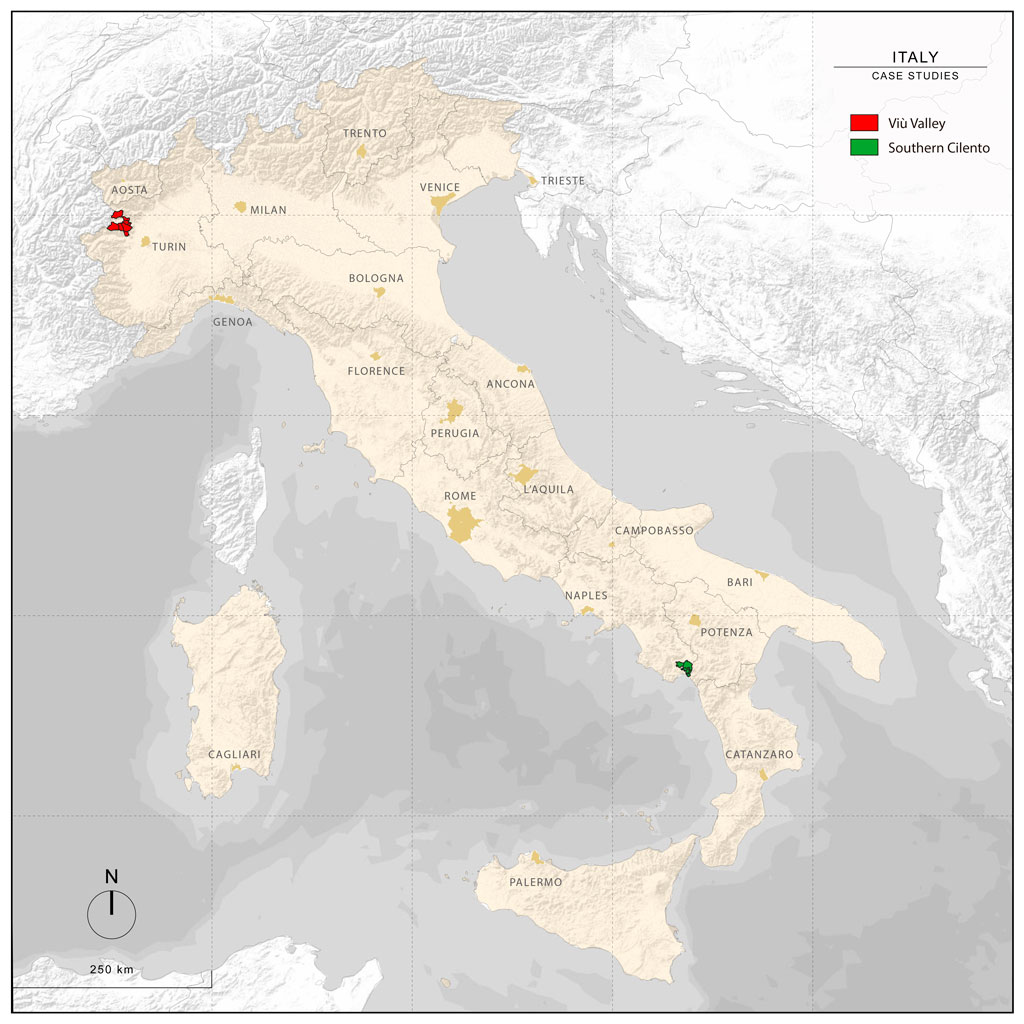
Source: Authors’ own elaboration
Our analysis draws on extensive qualitative fieldwork comprising 104 interviews (54 in Southern Cilento and 50 in Viù Valley) conducted in two rounds. Interviewees were selected with the support of local mediators with consolidated knowledge of each of the areas, ensuring gender balance, age balance and access to diverse local networks and perspectives.5
In each case study, the first round focused on local stakeholders (14 in Southern Cilento and 10 in Viù Valley), including public administrators, association leaders, entrepreneurs, and representatives of community organisations. These interviews informed the analytical framework and grounded the subsequent household-level inquiry, providing primary qualitative evidence on local demographic and migration dynamics. This qualitative evidence was complemented by a demographic analysis based on data from the Italian National Institute of Statistics (ISTAT). The second round comprised 40 interviews per case with household representatives reflecting a range of mobility profiles: in-migrants, out-migrants, returnees, newcomers, and stayers. Including both national and international trajectories enabled a comprehensive understanding of how different mobility forms shape local innovation processes. The selection of interviewees was designed to reflect the most relevant mobility profiles in each study area. This implies that not all migratory profiles are equally represented; rather, those that are most significant within the specific local contexts under analysis. Table 1 shows the final distribution of sampling and mobility profiles across interviewees.
Interviews, averaging 50 minutes, addressed hard and soft infrastructures, local development models, place attachment and identity, innovation practices, and the socio-economic effects of mobility. Participants were also invited to reflect on future visions, policy perceptions, and the role of networks and cooperation.
Following transcription, all interviews were coded using MaxQDA. The analysis combined a first cycle of thematic coding based on the aforementioned interview structure with a second, more inductive and in-depth qualitative analysis. Coding and analysis were guided by a common analytical matrix developed within the Horizon Europe Re-Place project international consortium, ensuring cross-case comparability and following an explicitly grounded yet multi-scalar perspective. Particular attention was paid to situating place-based insight with broader policy and institutional context. To this end, projects and policies mentioned by interviewees were systematically mapped and analysed, incorporating information on funding sources, actors involved, objectives, policy sectors and interconnections across scales.
By integrating stakeholder and household perspectives, our study situates social-innovation processes within their institutional and socio-economic contexts. Rather than offering a direct comparison, the two cases serve as contextual explorations of how innovation-related practices and networks emerge, consolidate, and interact with broader mobility and development dynamics. This approach aligns with prevailing understandings of social innovation as a situated, path-dependent process shaped by local histories, resources and constraints. Each case thus provides insight into how actors, institutions and mobility patterns intersect in the everyday governance of peripheral territories.
| Case Study | Gender | In-migrants | Out-migrants | Non-migrants | ||||
|---|---|---|---|---|---|---|---|---|
| F | M | Newcomers | Returnees | Lifestyle temporary migrants | Amenity-led seasonal migrants | |||
| Southern Cilento | 22 | 32 | 6 | 18 | 0 | 0 | 11 | 19 |
| Viù Valley | 39 | 11 | 18 | 1 | 10 | 2 | 6 | 13 |
4. Mobilities and social innovation in Southern Cilento and Viù Valley
Left-behind rural areas are often portrayed through a lens of loss: dwindling populations, youth outmigration, and “brain drain” are taken as evidence of decline. In line with Cresswell (2006), Barca (2009), and Woods (2011), we instead adopt a relational perspective that views mobility as a socially meaningful practice and a potential driver of place-based renewal. Southern Cilento and Viù Valley exemplify this inversion: despite demographic fragility, returnees, newcomers, temporary residents and visitors enrich the local repertoire of ideas, skills and practices.
In these study areas, mobility provides additional actors, competences and networks, which can expand local initiatives and strengthen their connections to wider scales. Following the rural neo-endogenous tradition (Dax et al., 2016; Bosworth et al., 2016), we first show how mobility acts as a catalyst for social innovation. We interpret social innovation as a relational and processual practice (Moulaert et al., 2013; Ziegler, 2017), in which collaboration and learning reconfigure community relations and institutional routines (Mulgan et al., 2007; Phills et al., 2008). Second, we illustrate how local social innovations—events, networks, trails, and infrastructures—can in turn attract new forms of mobility. Finally, we analyse how these processes form multi-scalar dynamics and generate ongoing feedback loops between mobility and innovation.
4.1. Mobility as a catalyst for social innovation
4.1.1. In-migration and transformative agency
Return migrants in Southern Cilento have played a decisive role in converting externally acquired experiences into locally embedded forms of collective action. Palio del Grano,6 founded by a local stakeholder after a period spent in Tuscany, provides a paradigmatic example. Drawing inspiration from Tuscan palii, he sought to cultivate a renewed sense of communal pride upon his return (Interview IT_065029_1). The inaugural 2004 event effectively reinterpreted the Tuscan ritual through the influence of Cilentan agricultural heritage, mobilising residents in collective harvesting, and conducting wheat-sheaf construction, traditional ox-cart demonstrations and folk performances. This combination of external inspiration and locally rooted practices is characteristic of the neo-endogenous approach (Dax et al., 2016), and it represents a form of transformative local agency (Castro-Arce & Vanclay, 2020). Over time, the Palio has generated an ecosystem of related initiatives—including the Biblioteca del Grano seed library and the cooperative Terre di Resilienza—which have anchored returnee-driven ideas within broader cultural and ecological regeneration processes.
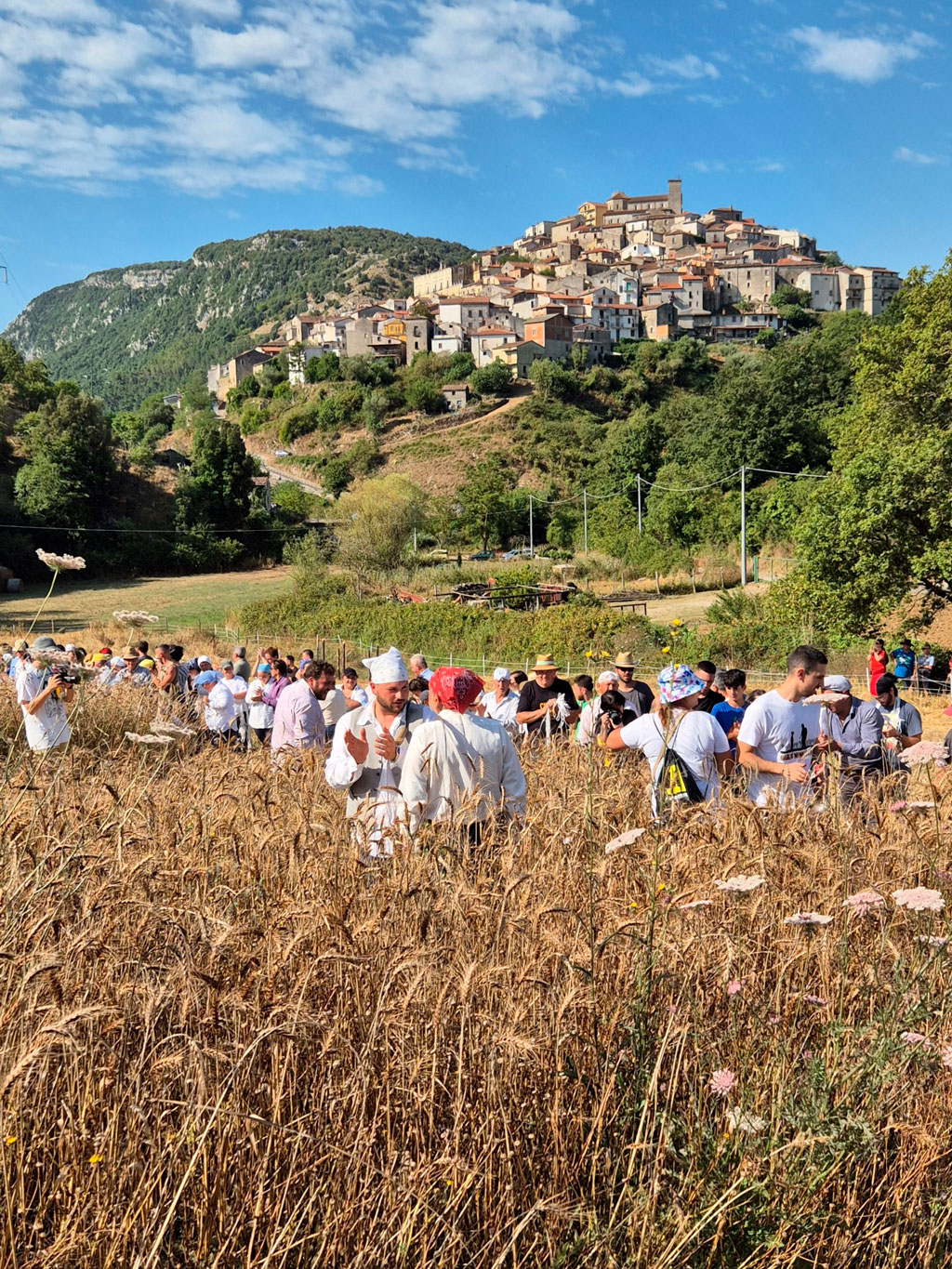
Source: Authors’ own photograph, collected during fieldwork
A second major initiative, Cammino di San Nilo,7 likewise partly stems from return migration. Conceived by another local actor involved, following five years working with Maya communities in Central America (Interview IT_065029_13), the project emerged from a dual reflection: the failure of coastal tourism to propagate inland Cilento and the widespread yet under-recognised traces of Byzantine monastic heritage. Promoted by the Gazania association, with co-funding from local governments, the first section of the trail was opened in 2019; by 2020, official signage had been installed by the Cilento National Park, and the route now attracts over 1,000 walkers annually, according to organisers’ records (Interview IT_065029_13). The Cammino illustrates how returnees function as intermediaries who translate external influences into contextually grounded practices, consistent with rural-innovation scholarship emphasising social learning, brokerage, and knowledge circulation (Koutsouris & Zarokosta, 2020; Lombardi et al., 2020). The initiative also mobilises diasporic linkages, as early walks drew Cilentani living in Rome and Naples, reinforcing extra-local attachments.
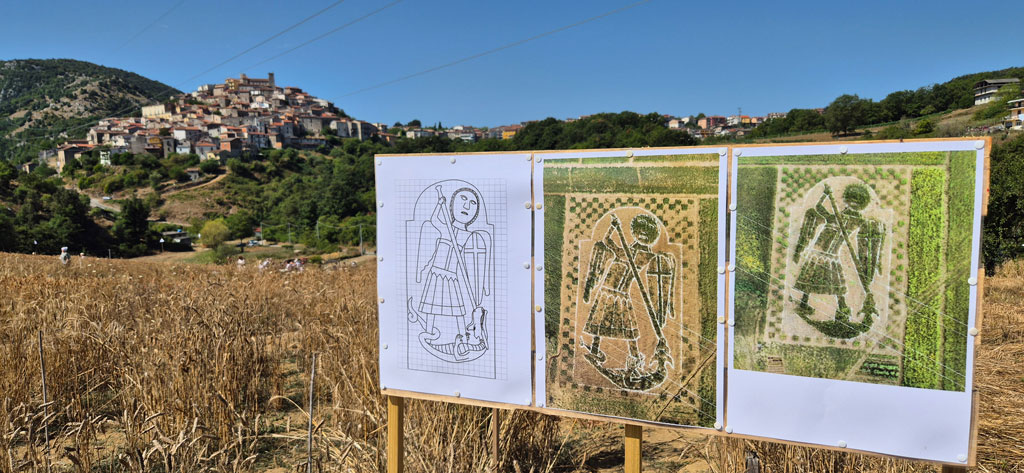
Source: Authors’ own photograph, collected during fieldwork
Comparable processes are observable in the Viù Valley, where in-migrants in the form of young newcomers have initiated new ventures after periods of study or employment elsewhere. Regional programmes such as Mettersi in Proprio (MiP)8 have been instrumental in this regard, providing consultancy, guidance, and access to start-up funding (Interview IT_001313_9). Supported by these schemes, newcomers have developed micro-enterprises in crafts, hospitality, and green tourism. These forms of networked entrepreneurship show that rural innovation depends on collaborative and adaptive governance rather than narrowly defined economic incentives (Bosworth et al., 2016).
In-migrants also draw on external networks to enhance local economic capacity, highlighting how their accumulated experience benefits local businesses (Interview IT_001313_3) and engaging with civic associations, such as the CAI9 hiking group, to contribute to trail maintenance and tourism development (Interview IT_001313_2). Viù’s dense associations, including volunteer organisations, cooperatives, and GAL, facilitates this integration by providing organisational entry points and social legitimacy. Taken together, in-migrant both as return migrants and newcomers act as bridges of innovation, since they bring knowledge and organisational practices from urban and international contexts and adapt them to the local contexts. These trajectories resonate with relational perspectives on social innovation, which emphasise collective learning, reflexivity, and networked forms of agency (Moulaert et al., 2013; do Adro & Fernandes, 2020).
Across both Southern Cilento and the Viù Valley, attitudes toward in-migrants are predominantly positive. Interviewees emphasised the enthusiasm and creativity that returnees and newcomers bring to community life (Interview IT_001313_7), and proposals to attract additional In-migration, such as housing subsidies, were widely supported. In this light, return migration appears not as a simple reinstatement of prior attachments but as a creative exchange in which external knowledge, skills, and networks are reinterpreted within local contexts to generate socially innovative outcomes.
4.1.2. Out-migrants engagement and remote participation
Left-behind communities frequently maintain substantial diasporas whose members reside elsewhere yet continue to cultivate strong emotional, familial, and cultural attachments to their places of origin. Both case studies reveal how such diasporic connections can be strategically mobilised as drivers of local innovation. In Southern Cilento, the association RadiCa10 actively engages out-migrants and their descendants through storytelling workshops, oral-history projects and heritage festivals. These initiatives reposition “return” as a form of intermittent cultural participation, inviting diaspora members to contribute ideas, practices, and narratives during periodic visits. In doing so, they reframe distant populations not merely as demographic loss but as reservoirs of knowledge, symbolic capital, and external perspectives. Even episodic or symbolic forms of mobility can catalyse governance learning and renew collective capacities in peripheral regions (Vitale & Membretti, 2013; Perlik & Membretti, 2018).
The Viù Valley illustrates a different configuration of diaspora while producing comparable effects. Proximity to Turin has generated a peri-urban mobility composed of individuals who retain second homes or holiday residences in the valley. Their seasonal presence shapes local demand and expectations, particularly for a vibrant cultural programme and high-quality amenities during summer months. These expectations have contributed to an expanded repertoire of cultural and sporting events—food fairs, outdoor events, agricultural workshops—synchronised with periods of intensified visits. This form of circular mobility11 broadens the community’s socio-cultural horizons and introduces new ideas, practices, and social networks. Lifestyle and seasonal mobilities can stimulate place-based innovation (Carson & Carson, 2018), and the continual movement of skills, aspirations and cultural imagination contribute to the co-production of rural places (Xiong et al., 2019).
4.2. Social innovation as a driver of mobility
4.2.1. Temporary and circular mobilities
The reciprocal relationship between mobility and social innovation becomes particularly clear when socially innovative initiatives function as attractors that generate new mobilities toward left-behind areas, in the form of temporary and circular mobilities.
In Southern Cilento, Cammino di San Nilo provides a salient illustration. Supported by an informal reception network of more than sixty accommodations, the route has become a significant tourism attractor that redirects flows from the coast into inland villages traditionally bypassed by mass tourism (Interview IT_065029_13). In doing so, it fosters new forms of inter-municipal coordination.
The Palio del Grano and Biblioteca del Grano further reinforce this innovation-mobility nexus. These initiatives attract, indeed, visitors who engage in agroecological work and cultural activities. Annual “grain camps” draw young participants from across Italy and Europe, contributing technical labour and strengthening social infrastructure. By enhancing local pride and generating national and international visibility, the initiatives have cultivated repeat visits and, in some cases, permanent relocation. This trajectory exemplifies the form of participation described by Carson & Carson (2018), wherein lifestyle visitors evolve into active co-producers within rural innovation networks.
A comparable pattern is evident in the Viù Valley. The Montagna per Tutti12 festival—now recognised as a regional best practice—mobilises thousands through inclusive hikes and nature-based activities (Interview IT_001313_8). By attracting families with disabled members, hikers and urban visitors, it produces economic spillovers for local hospitality and guiding services. Complementary events linked to the local intangible heritage, including the Mostra Nazionale della Toma di Lanzo,13 similarly draw gastronomic tourists, illustrating the iterative learning loops in which experimentation feeds back into institutional refinement (Moulaert & Mehmood, 2020).
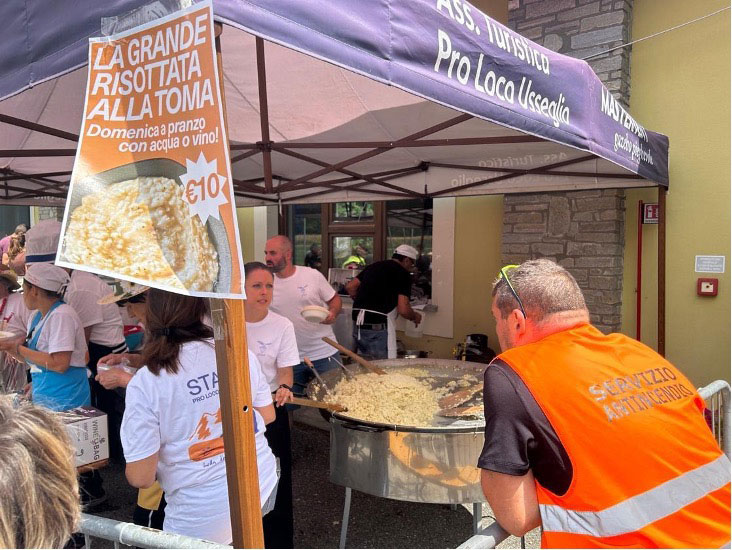
Source: Authors’ own photograph, collected during fieldwork
Across both case studies, external participants function as additional validators of local innovation, and over time their engagement may shift from simple visits to more durable forms of attachment. These dynamics are characteristic of the neo-endogenous model of rural development (Dax et al., 2016; Bosworth et al., 2016), wherein community-led creativity attracts external resources that, in turn, enhance local capacities for innovation, cooperation and resilience.
4.2.2. Community narratives and imaginative mobility
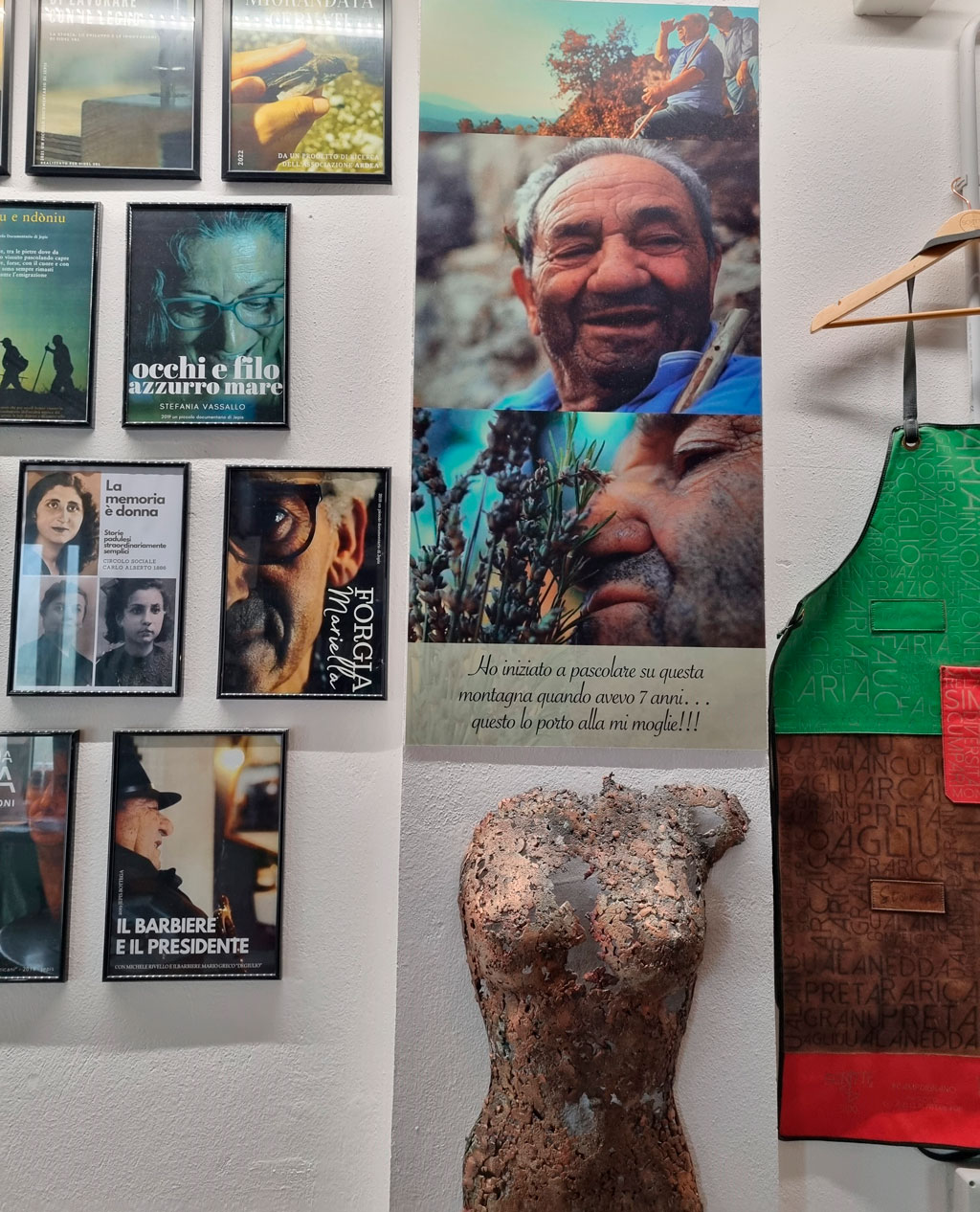
Community narratives constitute a critical mechanism through which local perceptions are reshaped and forms of belonging are renegotiated. In Southern Cilento, an interviewed local stakeholder has cultivated an innovative practice that blends storytelling with digital media to reconfigure the community’s self-understanding. Rather than pursuing out-migration, he strategically reframes Southern Cilento’s positionality within broader imaginaries, most notably by describing Caselle in Pittari, a village of Southern Cilento, as a “neighbourhood of Salerno” (Interview IT_2_NONM(2)). This metaphor collapses the perceived divide between rural periphery and urban centre, challenging established representations of Southern Cilento as geographically and symbolically marginal. His narrative strategies are an example of the imaginative and reflexive dimensions of social innovation, whereby transformation occurs through the redefinition of meanings and relationships rather than through organisational change alone.
This imaginative reframing also produces tangible effects. It enables him to engage in creative collaborations with networks and firms across Italy while remaining physically rooted in Southern Cilento, enacting a form of imaginative mobility that expands the community’s visibility and agency without requiring physical movement. Symbolic and digital mobilities can enhance participation for peripheral communities. By repositioning Southern Cilento within an expanded relational geography, narrative itself becomes a vector of social innovation.
At the centre of his activities is a multimedia studio and community library that functions simultaneously as a digital production space and a rural learning environment. It regularly hosts public cultural events, including book presentations and open discussions, positioning itself as a key cultural hub for the province. As the interviewee notes, such experiences often “plant the seed for deeper involvement” (Interview IT_2_NONM(2)), forging social ties and stimulating ongoing collaboration.
A defining feature of his philosophy is the deliberate balance between local rootedness and global connectedness, captured in his maxim “one foot in my land and one foot in the world” (Interview IT_2_NONM(2)). For him, remaining in Southern Cilento requires both digital infrastructure—“we stay here because there is Internet”—and an outward-looking orientation that links local practice to national and international creative networks. His films, podcasts, and storytelling projects project local experiences onto wider platforms while introducing new methods and perspectives into the community. This dual orientation embodies a form of relational rurality: rural peripherality can be mitigated through multi-scalar connectivity and imaginative forms of belonging (Barca, 2009; Woods, 2011).
Source: Authors’ own photograph, collected during fieldwork
4.3. Multi-scalar dynamics and feedback loops between mobility and innovation
In both case studies, mobility and innovation emerge as mutually reinforcing processes. Inflows of returnees, newcomers and visitors catalyse new forms of social innovation, which subsequently reconfigure mobility patterns by attracting new flows of people and ideas.
These dynamics unfold across multiple scales. Neither Southern Cilento nor Viù Valley relies exclusively on endogenous capacity or external intervention; rather, their trajectories are shaped by continuous interaction between local initiative and wider institutional frameworks. In Southern Cilento, agro-cultural initiatives—such as the grain festival, seed library and heritage trail—are embedded within national and transnational networks including Rete Semi Rurali,14 Slow Food, and EU heritage and rural-development programmes. The case of expert contributions from international seed-saving networks (Interview IT_065029_1) further indicates how external knowledge becomes translated into locally meaningful forms of practice.
Analogous processes are visible in the Viù Valley, where local institutions engage with cross-border Interreg programmes, such as ALCOTRA SOCIALAB,15 to acquire best practices in digital health inclusion and related fields. Multi-scalar linkages safeguard local innovations from isolation, enabling communities to reinterpret external insights in ways consistent with local priorities. Rural prosperity depends on outward-facing connectivity (Woods, 2011) and effective place-based policy emerges when local knowledge co-evolves with external support (Barca, 2009).
These complementarities, however, are not without challenges. Mobility and resources do not inherently produce equitable outcomes. Access to programmes such as Resto al Sud16 is often conditioned on upfront capital, privileging relatively affluent residents, while Viù Valley’s dependence on tourism renders it vulnerable to external shocks, as indicated during COVID-19. Indeed, in the absence of supportive structural policies, social innovation may inadvertently reproduce inequality. Thus, there is a need for robust and inclusive governance arrangements to sustain virtuous cycles of mobility and innovation (Moulaert & Mehmood, 2020).
4.4. Social innovation and the role of institutions
A further dimension structuring the relationship between social innovation and mobility concerns the role of institutions. Southern Cilento and Viù Valley cases show how different configurations of institutional support, governance arrangements and inter-organisational collaboration enable mobility-related innovation through two mechanisms: first, by helping individual, place-based initiatives evolve into coordinated and durable forms of innovation; and second, by shaping the conditions that intentionally or unintentionally draw newcomers and entrepreneurs into peripheral areas, where they blend external knowledge with local practices.
4.4.1. From individual initiatives to coordinated innovation
In left-behind areas, social innovation frequently begins as a small-scale event, cooperative, or pilot service. Whether such initiatives stabilise and become recognised nodes of renewal depends on the presence, or co-construction, of relational infrastructures: the institutional and organisational arrangements that sustain experimentation facilitates learning and enable initiatives to outlive individual leaders or short-term funding cycles.
In the Viù Valley, the Festival della Toma di Lanzo illustrates this consolidation process. Having begun as a small celebration of mountain cheeses, it has expanded over nearly three decades into an event attracting more than 20,000 visitors annually, according to organisers’ records, and is supported by the Metropolitan City of Turin, the Piedmont Region and regional tourism associations (Unione Montana Alpi Graie, 2026). Similarly, Montagna per Tutti has grown from a single event into a valley-wide programme of more than fifty activities, enabled by GAL funding and regional endorsement (Interview IT_001313_8).
A parallel trajectory is evident in Southern Cilento. The agro-cultural ecosystem surrounding the Palio del Grano and Biblioteca del Grano is sustained by a dense web of associations, Terre di Resilienza together with municipal backing and participation in national and European networks such as Rete Semi Rurali and Slow Food. These relational infrastructures allow small initiatives to evolve into durable platforms of learning, visibility and mobility, reflecting conceptualisation of social innovation as iterative, collaborative practice (Ziegler, 2017).
4.4.2. Institutional thickness and its peripheries
Amin & Thrift (1994) conceptualise that institutional thickness offers a useful tool for analysing the dynamics regarding social innovation and institutions. While originally formulated for urban contexts, its core insight—that development emerges from dense, mutually reinforcing institutional networks—resonates with the experiences of both our study areas. Yet, as highlighted by Bulakovskiy & Marshalian (2024) and Slee et al. (2022), rural areas often exhibit structural limitations in terms of organisational density, network connectivity, and collaborative capacity, which can be interpreted as constraints on institutional thickness. However, even small, under-resourced actors can generate functional institutional thickness when they interact frequently, co-develop shared narratives, and align practices across sectors, for example, linking agroecology with education or heritage with microenterprise.
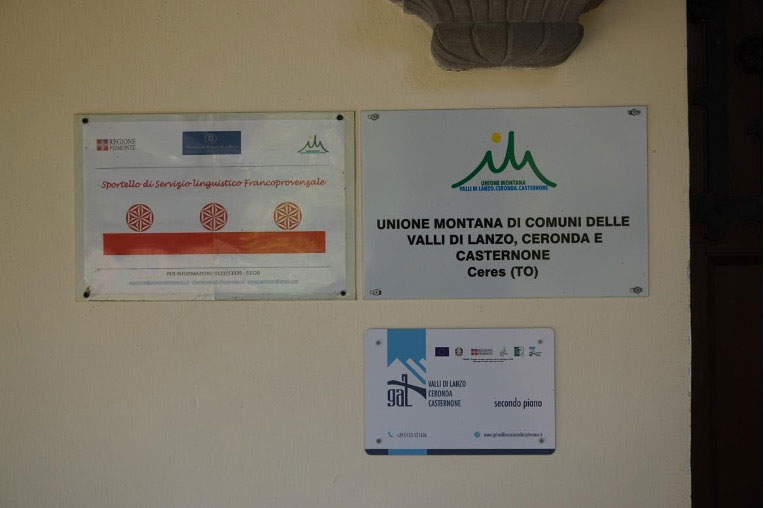
The cases of Southern Cilento and Viù Valley illustrate how the presence or absence of coordinated institutional support shapes the capacity of rural and mountain areas to sustain development. In Southern Cilento, governance is fragmented and chronically under-resourced: municipalities act primarily as project implementers with limited strategic capacity, and the GAL Casacastra provides only modest grants and exerts little influence on their planning. As a result, grassroots networks, while sustaining cultural vitality and local identity, are limited in realising their transformative change potential. By contrast, the Viù Valley’s multi-level, well-resourced model shows that functional institutional thickness depends not only on active civic actors but also on strong coordination, sustained resources, and the alignment of practices across sectors. In this sense, the Viù Valley exemplifies the ‘promise and reality’ paradox identified by Slee et al. (2022): although policy discourse celebrates bottom-up creativity, successful implementation requires enduring administrative and institutional capacity.
Source: Authors’ own photograph, collected during fieldwork
4.4.3. Mobility-oriented institutional innovations
Institutional action in both contexts is increasingly oriented toward mobility. In Viù Valley, Vivere in Montagna serves as a structured interface that connects general interest to actual relocation through personalised guidance and support for building local networks. In Southern Cilento, diaspora-oriented initiatives such as RadiCa reconceptualise “return” as cultural re-engagement—via visits, volunteering or collaborative projects—echoing the notion of circulatory creative mobilities (Xiong et al., 2019) and the argument that mobility reshapes governance practices (Vitale & Membretti, 2013).
The experiences of Viù Valley and Southern Cilento are the testimonies that institutions are central to linking mobility and social innovation. Funding mechanisms, governance frameworks, and symbolic recognition constitute the scaffolding that enables newcomers, returnees, and translocal networks to translate external experiences into locally relevant innovations. In the Viù Valley, structured programmes attract mobile people who channel diverse experiential backgrounds into enterprises, training schemes and community initiatives. In Southern Cilento, more informal yet symbolically powerful initiatives, often rooted in return migration, mobilise municipal and associative support to foster cultural and social renewal. Across both cases, formal and informal platforms stabilise emerging initiatives, support scaling, and embed them within wider local networks. In doing so, institutions structure the channels through which left-behind areas learn, adapt and grow through the circulation of people, ideas and practices.
4.5. Mobility Backgrounds and the Production of Innovation
Mobility emerges as a unifying thread across the innovative projects examined above.
In the Viù Valley, the facilitation of entrepreneurial activity among newcomers has become an important, if partly unintended, component of repopulation policies. Programmes such as MiP and GAL-funded calls direct public resources toward the creation of enterprises that blend traditional Alpine practices with new organisational and market approaches, embodying the hybrid innovation trajectories noted by Noack & Federwisch (2020) and Novikova et al. (2020). These supports extend beyond economic diversification: they enable newcomers to introduce fresh networks, organisational models, and cultural imaginaries that interact productively with embedded knowledge.
A particularly illustrative example is that of an internationally mobile interviewee who relocated to the Viù Valley to establish a mushroom-production enterprise with MiP support. Her trajectory—combining university training, international work experience, and technical expertise acquired abroad—exemplifies what, following Navarro-Valverde et al. (2022), we can term cross-scalar knowledge transfers: mobility enables actors to import externally derived models and selectively adapt them to local socio-ecological conditions. This process reflects wider patterns observed in European left-behind areas, where mobile individuals serve as conduits for organisational, professional and cultural repertoires (Barone et al., 2023; Vercher et al., 2023).
Mobility also shapes social innovation through training and exposure to heterogeneous contexts. Scuola di Montagna assists new residents in building sustainable mountain livelihoods, while Developing Active Citizens (DAC) fosters civic engagement within translocal European networks. These programmes enact a process of circulatory learning and corroborate the findings that exposure to diverse environments enhances innovation capacity in peripheral regions (Bulakovskiy & Marshalian, 2024). Many participants accessed the valley through supra-local networks that individual municipalities could not mobilise independently, reflecting emphasis on multi-level governance in shaping mobility pathways (Musolino et al., 2025; Ubels et al., 2022).
Local and supra-local collaboration further strengthens these dynamics. The Touristic Consortium of the Valli di Lanzo organises exchanges and study visits with neighbouring Alpine valleys such as Val Maira, illustrating the professional and institutional mobilities through which organisational models and governance practices circulate. Importantly, mobility need not be long-distance or international to be transformative. As Xiong et al. (2019) emphasise, exposure to heterogeneous contexts is what matters. The contrast between Viù and nearby Turin illustrates this: despite geographical proximity, the two environments differ significantly. Routine or periodic movement between them produces opportunities for cross-fertilisation of ideas, organisational models, and cultural practice.
5. Conclusions
This paper has explored how social innovation and human mobility intersect in two Italian left-behind areas—Southern Cilento and Viù Valley—showing that their relationship is dynamic, reciprocal, and mutually shaping. Mobility emerged as both a catalyst for locally grounded innovation and an outcome of the new practices, narratives, and organisational forms that innovation helps generate.
Across both cases, the presence of mobile people introduced new skills, perspectives, and organisational capacities. Their contributions often took transformative forms, prompting communities to reassess established routines, experiment with new forms of cooperation, and reconfigure relations between local and external actors. In this sense, mobility acted as a productive disturbance that broadened the repertoire of ideas and practices circulating in each study area.
At the same time, socially innovative initiatives themselves attracted new forms of mobility. Festivals, cultural infrastructures, collaborative networks, and storytelling practices served as points of encounter where visitors became participants and, in some cases, long-term contributors to local life. These processes gave rise to multi-scalar dynamics in which people, knowledge and resources continually moved between local contexts and broader networks. Southern Cilento and Viù Valley thus illustrate how peripheral regions can generate forms of relational vitality that exceed their demographic and economic constraints.
The comparison also shows that the stability and reach of these dynamics depend strongly on institutional conditions. In the Viù Valley, structured programmes and coordinated governance enabled grassroots initiatives to consolidate and expand. In Southern Cilento, by contrast, innovation remained lively but more informal, sustained by committed individuals rather than long-term institutional support. These contrasting patterns reveal how uneven institutional capacities shape the trajectories of mobility-induced innovation.
Finally, the analysis highlights that mobility does not automatically translate into inclusive or balanced outcomes. Access to opportunities often mirrors existing inequalities, and dependence on specific mobility flows can expose the areas to new vulnerabilities. Nonetheless, when mobility aligns with collective learning and supportive governance, it can help reconfigure the trajectories of left-behind areas, turning peripheral settings into spaces of experimentation and renewal.
Overall, the experiences of Southern Cilento and Viù Valley show that left-behindness is not a fixed condition but a relational one. By engaging with diverse forms of mobility and nurturing socially innovative practices, peripheral territories can reposition themselves within wider networks and cultivate new forms of resilience.
The spatial characteristics and mobility dynamics of the two case studies show similarities with other left-behind areas in Mediterranean Europe, such as El Hierro, Spain, and Idanha-a-Nova, Portugal (Göler et al., 2026). While our findings cannot be extended to those areas or generalised to others, they may provide a useful reference for future analyses. Our research reveals that human mobility facilitates the circulation of ideas that foster social innovation. Our study further indicates that this process generates new development opportunities for left-behind areas. Human mobility, therefore, not only mitigates the depopulation of marginal and peripheral areas but also actively contributes to their development. The findings suggest that policies aimed at attracting new residents and promoting the return of former inhabitants indirectly support the development of left-behind areas.
Future research could further explore how different mobility regimes shape these dynamics, how digital and imaginative mobilities contribute to local transformation, and how mobility-induced innovations evolve over time.
Data Access Statement
The data analysed in this study are not publicly available due to confidentiality restrictions and ethical requirements.
Acknowledgements
We thank two anonymous reviewers for their constructive comments, which greatly improved the quality of this paper. This research was conducted through the Re-Place project (Reframing Non-Metropolitan Left Behind Places Through Mobility and Alternative Development) under grant agreement no. 101094087, funded by the Horizon Europe Framework Programme for Research and Innovation project.
References
Amin, A., & Thrift, N. J. (1994). Globalization, Institutions and Regional Development in Europe. Oxford University Press.
Barca, F. (2009). An agenda for a reformed cohesion policy: A place-based approach to meeting European Union challenges and expectations. Report to the European Commission.
Barone, V., Gaeta, G. L., Ghinoi, S., & Silvestri, F. (2023). LEADER local action groups and inner areas: An Italian case study. Evaluation and Program Planning, 101, 102357. https://doi.org/10.1016/j.evalprogplan.2023.102357
Bernardino, S., & Freitas Santos, J. (2017). Local development through social and territorial innovation: An exploratory case study. CIRIEC-España, Revista de Economía Pública, Social y Cooperativa, (90), 159-187. https://doi.org/10.7203/CIRIEC-E.90.9155
Bosworth, G., Rizzo, F., Marquardt, D., Strijker, D., Haartsen, T., & Thuesen, A. A. (2016). Identifying social innovations in European local rural development initiatives. Innovation: The European Journal of Social Science Research, 29(4), 440-459. https://doi.org/10.1080/13511610.2016.1176555
Bulakovskiy, M., & Marshalian, M. (2024). Assessing the framework conditions for social innovation in rural areas (Local Economic and Employment Development (LEED) Papers). Organisation for Economic Co-operation and Development.
Campomori, F., & Casula, M. (2023). How to frame the governance dimension of social innovation: Theoretical considerations and empirical evidence. Innovation: The European Journal of Social Science Research, 36(2), 171-189. https://doi.org/10.1080/13511610.2022.2036952
Campomori, F., Casula, M., & Kazepov, Y. (2023). Understanding social innovation in refugee integration: Actors, practices, politics in Europe. Innovation: The European Journal of Social Science Research, 36(2), 158-170. https://doi.org/10.1080/13511610.2023.2211893
Carson, D. A., & Carson, D. B. (2018). International lifestyle immigrants and their contributions to rural tourism innovation: Experiences from Sweden’s far north. Journal of Rural Studies, 64, 230-240. https://doi.org/10.1016/j.jrurstud.2017.08.004
Castro-Arce, K., & Vanclay, F. (2020). Transformative social innovation for sustainable rural development: An analytical framework to assist community-based initiatives. Journal of Rural Studies, 74, 45-54. https://doi.org/10.1016/j.jrurstud.2019.11.010
Corrado, F. (2022a). Nuovi abitanti in territori montani. Economia & Management, 3, 38-41.
Corrado, F. (2022b). Nuove dimensioni del ri-abitare le Alpi piemontesi tra pre e post-pandemia. Urbanistica Informazioni, 302, 110-112. http://www.urbanisticainformazioni.it/-302-.html
Costa, G. (2020). Hosting asylum-seekers and people transiting through Milan as an opportunity for social innovation. Refugee Survey Quarterly, 39(3), 363-380. https://doi.org/10.1093/rsq/hdaa006
Cresswell, T. (2006). On the move: Mobility in the modern Western world. Routledge.
Dax, T., Strahl, W., Kirwan, J., & Maye, D. (2016). The Leader programme 2007-2013: Enabling or disabling social innovation and neo-endogenous development? Insights from Austria and Ireland. European Urban and Regional Studies, 23(1), 56-68. https://doi.org/10.1177/0969776413490425
do Adro, F., & Fernandes, C. I. (2020). Social innovation: A systematic literature review and future research agenda. International Review on Public and Nonprofit Marketing, 17(1), 23-40. https://doi.org/10.1007/s12208-019-00241-3
Fava, V. (2023). Inside the black box: In search of conceptual tools for evaluating and designing social innovative practices. Innovation: The European Journal of Social Science Research, 36(2), 155-157. https://doi.org/10.1080/13511610.2023.2211892
Gobattoni, F., Pelorosso, R., Leone, A., & Ripa, M. N. (2015). Sustainable rural development: The role of traditional activities in Central Italy. Land Use Policy, 48, 412-427. https://doi.org/10.1016/j.landusepol.2015.06.013
Göler, D., Sacha, E., Ernsthenrich, J., & Miletić, M. (2026). Households mobility trajectories/impacts. Re-Place Project Deliverable D6.1. https://replace-horizon.eu/
Iovino, G., & Bagnoli, D. (2025). Depopulation, ageing and place memory in Campania’s inner areas. A focus on the Cilento interno pilot area. Bollettino della Società Geografica Italiana, 8(1), 199-215. https://doi.org/10.36253/bsgi-7541
ISTAT. (2025). Popolazione residente per sesso, età e stato civile al 1° gennaio 2025. ISTAT. https://demo.istat.it/
Koutsouris, A., & Zarokosta, E. (2020). Supporting bottom-up innovative initiatives throughout the spiral of innovations: Lessons from rural Greece. Journal of Rural Studies, 73, 176-185. https://doi.org/10.1016/j.jrurstud.2019.10.046
Lombardi, M., Lopolito, A., Andriano, A. M., Prosperi, M., Stasi, A., & Iannuzzi, E. (2020). Network impact of social innovation initiatives in marginalised rural communities. Social Networks, 63, 11-20. https://doi.org/10.1016/j.socnet.2020.04.001
Membretti, A. (2025). Diventare montanari. Viaggio tra i nuovi abitanti delle terre alte. People.
Mendoza, C., Domínguez-Mujica, J., Parreño-Castellano, J. M., & Moreno-Medina, C. (2025). Neo-endogenous local development, tourism, and international immigration in El Hierro, Spain. Tijdschrift voor Economische en Sociale Geografie, 116(2), 131-145. https://doi.org/10.1111/tesg.12653
Moulaert, F., & Mehmood, A. (2020). Towards a social innovation (SI)-based epistemology in local development analysis: Lessons from twenty years of EU research. European Planning Studies, 28(3), 434-453. https://doi.org/10.1080/09654313.2019.1639401
Moulaert, F., MacCallum, D., & Hillier, J. (2013). Social innovation: Intuition, precept, concept, theory and practice. In F. Moulaert, D. MacCallum, A. Mehmood & A. Hamdouch (eds.), The international handbook on social innovation: Collective action, social learning and transdisciplinary research (pp. 13-24). Edward Elgar Publishing. https://doi.org/10.4337/9781849809986.00011
Mulgan, G., Tucker, S., Ali, R., & Sanders, B. (2007). Social innovation: What it is, why it matters and how it can be accelerated. The Young Foundation. https://www.youngfoundation.org/our-work/publications/social-innovation-what-it-is-why-it-matters-how-it-can-be-accelerated
Musolino, D., Guzzi, L., & Capurro, M. (2025). Attractiveness and exogenous direct investment in mountain regions: An exploratory investigation in the Aosta Valley, Italy. Regional Science Policy & Practice, 17(1), 100158. https://doi.org/10.1016/j.rspp.2024.100158
Navarro-Valverde, F., Labianca, M., Cejudo-García, E., & De Rubertis, S. (2022). Social innovation in rural areas of the European Union: Learnings from neo-endogenous development projects in Italy and Spain. Sustainability, 14(11), 6439. https://doi.org/10.3390/su14116439
Noack, A., & Federwisch, T. (2020). Social innovation in rural regions: Older adults and creative community development. Rural Sociology, 85(4), 1021-1044. https://doi.org/10.1111/ruso.12333
Novikova, M., de Fátima Ferreiro, M., & Stryjakiewicz, T. (2020). Local development initiatives as promoters of social innovation: Evidence from two European rural regions. Quaestiones Geographicae, 39(2), 43-53. https://doi.org/10.2478/quageo-2020-0012
Pan, J., Chen, B., Zhu, H., & Fan, C. (2025). Migration, innovation and social welfare: Evidence from countries. International Journal of Innovation Studies, 9(4), 343-353. https://doi.org/10.1016/j.ijis.2025.07.006
Perlik, M., & Membretti, A. (2018). Migration by necessity and by force to mountain areas: An opportunity for social innovation. Mountain Research and Development, 38(3), 250-264. https://doi.org/10.1659/MRD-JOURNAL-D-17-00070.1
Phills, J. A., Deiglmeier, K., & Miller, D. T. (2008). Rediscovering social innovation. Stanford Social Innovation Review, 6(4), 34-43. https://www.researchgate.net/publication/242511521
Ray, C. (2001). Culture economies. Centre for Rural Economy, Newcastle University. https://www.ncl.ac.uk/mediav8/centre-for-rural-economy/files/culture-economy.pdf
Sheller, M. (2018). Mobility justice: The politics of movement in an age of extremes. Verso Books.
Slee, B., Lukesch, R., & Ravazzoli, E. (2022). Social innovation: The promise and the reality in marginalised rural areas in Europe. World, 3(2), 237-259. https://doi.org/10.3390/world3020013
SNAI. (2025). Strategia Nazionale Aree Interne – SNAI. Le Aree Interne 2021-2027. https://politichecoesione.governo.it/it/politica-di-coesione/strategie-tematiche-e-territoriali/strategie-territoriali/strategia-nazionale-aree-interne-snai/le-aree-interne-2021-2027/
Ștefenel, D., & Zafiropoulou, F. A. (2019). Key challenges for social innovation and inclusion in the case of migrants and refugees across EU countries. International Relations, 15(1), 37-45.
Tomasi, S., Paviotti, G., Ferrara, A., Mignani, C., & Cavicchi, A. (2024). Social innovation in depopulating rural areas: Exploring drivers and barriers and related roles of intermediaries throughout the process. In A. Cavicchi, F. Caracciolo, M. Crescimanno, M. De Salvo, A. Galati, A. Seccia & L. Secco (eds.), Innovation and knowledge in agri-food and environmental systems (pp. 147-155). Springer. https://doi.org/10.1007/978-3-031-65168-7_24
Ubels, H., Haartsen, T., & Bock, B. (2022). Social innovation and community-focussed civic initiatives in the context of rural depopulation: For everybody by everybody? Journal of Rural Studies, 93, 176-186. https://doi.org/10.1016/j.jrurstud.2019.02.019
Unione Montana Alpi Graie. (2026, April 14). 27^ Mostra Nazionale della Toma di Lanzo. https://www.unionealpigraie.it/it-it/appuntamenti/27-mostra-nazionale-della-toma-di-lanzo-93073-1-acdee45028ccd5abf313c0905f97ccf7
Vercher, N., Bosworth, G., & Esparcia, J. (2023). Developing a framework for radical and incremental social innovation in rural areas. Journal of Rural Studies, 99, 233-242. https://doi.org/10.1016/j.jrurstud.2022.01.007
Vitale, T., & Membretti, A. (2013). Just another roll of the dice: A socially creative initiative to assure Roma housing in North Western Italy. In D. MacCallum, F. Moulaert, A. Mehmood & A. Hamdouch (eds.), The international handbook on social innovation: Collective action, social learning and transdisciplinary research (pp. 186-196). Edward Elgar Publishing. https://sciencespo.hal.science/hal-01054022v1
von Schnurbein, G., Potluka, O., & Mayer, A. (2023). Creating social innovation in urban development through collaborative processes. Innovation: The European Journal of Social Science Research, 36(2), 316-332. https://doi.org/10.1080/13511610.2021.1910800
Woods, M. (2011). Rural. Routledge.
Xiong, Y., Zhang, Y., & Lee, T. J. (2019). The rural creative class: An analysis of in-migration tourism entrepreneurship. International Journal of Tourism Research, 22(1), 42-53. https://doi.org/10.1002/jtr.2317
Ziegler, R. (2017). Social innovation as a collaborative concept. Innovation: The European Journal of Social Science Research, 30(4), 388-405. https://doi.org/10.1080/13511610.2017.1348935
Appendix
To enhance the clarity and transferability of the analysis carried out in Section 3, we provide a synthetic mapping of the main initiatives, actors, resources, and mobility dynamics (Table 2) and we organise the interviews’ excerpts cited in the text by analytical theme and mobility type, making the empirical basis of the argument more explicit (Table 3).
| Initiative | Actors | Resources mobilised | Mobility dynamics |
|---|---|---|---|
| Palio del Grano and Biblioteca del Grano | Terre di Resilienza coop.; Pro Loco; municipality; schools; national networks (Rete Semi Rurali); returnees; residents | Multi-level funding; multi-level governance arrangements; local agricultural heritage; agroecological knowledge and training activities; translocal networks | Catalyst: return migration Generated: day-tripping and tourism |
| Cammino di San Nilo | Gazania APS; Parco Nazionale del Cilento; GAL Casacastra; Comunità Montana; municipalities; local service providers | Multi-level funding; cultural heritage; trail infrastructure; translocal networks | Catalyst: return migration Generated: tourism |
| RadiCa | Local youth association; municipality; out-migrants; residents | Multi-level funding; cultural initiatives; translocal networks; remote coordination | Catalyst: out-migrants and diaspora engagement |
| Bottega Jepis | Local creative entrepreneur; external companies and collaborators (national scale); visiting participants | Entrepreneurship, digital media production; storytelling; translocal professional networks; physical space (studio and community library) | Catalyst/Generated: network-based / imaginative mobility |
| Festival della Toma di Lanzo | Pro Loco Usseglio; producers' associations; municipality; tourism consortia; volunteers; schools; local artists | Multi-level funding; multi-level governance arrangements; gastronomic heritage; community-based organisation | Generated: day-tripping and tourism; repeat visits |
| Montagna per Tutti | Valli di Lanzo Tourism Consortium; local associations; municipalities; GAL; Mountain Union; regional actors | Multi-level funding; organisational capacity; translocal partnerships | Generated: day-tripping, tourism |
| MiP (Mettersi in Proprio) | Piedmont Region; employment centres; GAL; chambers of commerce; entrepreneurial networks; training institutions | Multi-level funding; multi-level governance arrangements; consultancy; training activities | Catalyst: return migration and in-mobility enabling entrepreneurship |
| Vivere in Montagna (including Scuola di Montagna) | SocialFare; universities; local governments; third sector actors; community networks | Multi-level funding; multi-level governance arrangements; knowledge and training activities; mentoring; | Institutional mediation: supports in-migration (residential mobility) and circular mobility (training, exchanges); stabilises newcomer integration |
| Interview code | Case study | Analytical theme | Mobility profile | Analytical contribution |
|---|---|---|---|---|
| IT_065029_3 | Southern Cilento | Case study contexts and methodological framework | Returnee | Provides institutional perspective on local mobility patterns and territorial challenges |
| IT_065029_5 | Southern Cilento | Case study contexts and methodological framework | Non-migrant | Provides institutional perspective on local mobility patterns and territorial challenges |
| IT_065029_10 | Southern Cilento | Case study contexts and methodological framework | Returnee | Contributes to understanding local socio-economic dynamics and mobility trends |
| IT_065029_1 | Southern Cilento | Return migration and transformative agency | Returnee | External experience is reinterpreted into locally embedded cultural initiatives (Palio del Grano) |
| IT_065029_13 | Southern Cilento | Return migration and transformative agency | Returnee | Returnees act as intermediaries translating experiences abroad into local innovation (Cammino di San Nilo) |
| IT_001313_9 | Viù Valley | Return migration and transformative agency | Newcomer | Institutional programmes enable mobile actors to develop entrepreneurial initiatives |
| IT_001313_3 | Viù Valley | Mobility backgrounds and innovation | Non-migrant | Skills and networks acquired outside are reinvested in local economic activities |
| IT_001313_2 | Viù Valley | Mobility backgrounds and innovation | Lifestyle temporary migrant | Engagement in local associations supports tourism and infrastructure development |
| IT_001313_7 | Viù Valley | Mobility backgrounds and innovation | Newcomer | Returnees are perceived as sources of innovation and local revitalisation (community perception) |
| IT_2_NONM(2) | Southern Cilento | Community narratives and imaginative mobility | Non-migrant | Narrative reframing connects local rootedness with external networks and expands relational geographies |
| IT_1_MIGRANT_28 | Viù Valley | Mobility backgrounds and innovation | Newcomer | External experiences and perspectives support experimentation and innovation in the local context |